
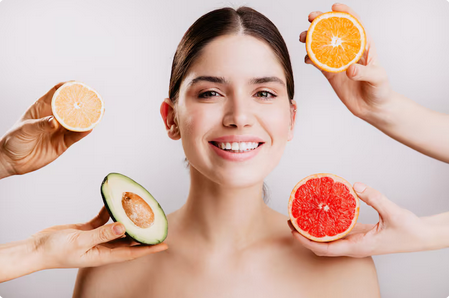
We all know the advice—“drink more water for glowing skin.” But what if hydration goes beyond what’s in your glass? While staying hydrated is essential, your skin’s moisture levels also depend heavily on what you eat. Certain foods are packed with water, essential fats, vitamins, and minerals that help your skin hold onto moisture and stay plump and radiant. Think of it as feeding your skin from the inside out. Here’s how to keep your complexion quenched through your diet, not just your water bottle.
The Skin–Food Connection
Your skin is your body’s largest organ, and like every other organ, it relies on nutrients to function properly. Foods rich in antioxidants, essential fatty acids, and water can directly impact how hydrated and healthy your skin appears. According to Brisbane dermotologists, many cases of dull or flaky skin aren’t just about dry air or skipped moisturiser—they often start with nutritional imbalances. By including hydrating foods in your meals, you’re giving your skin the tools it needs to retain moisture naturally.
Water-Rich Fruits That Feed Your Glow
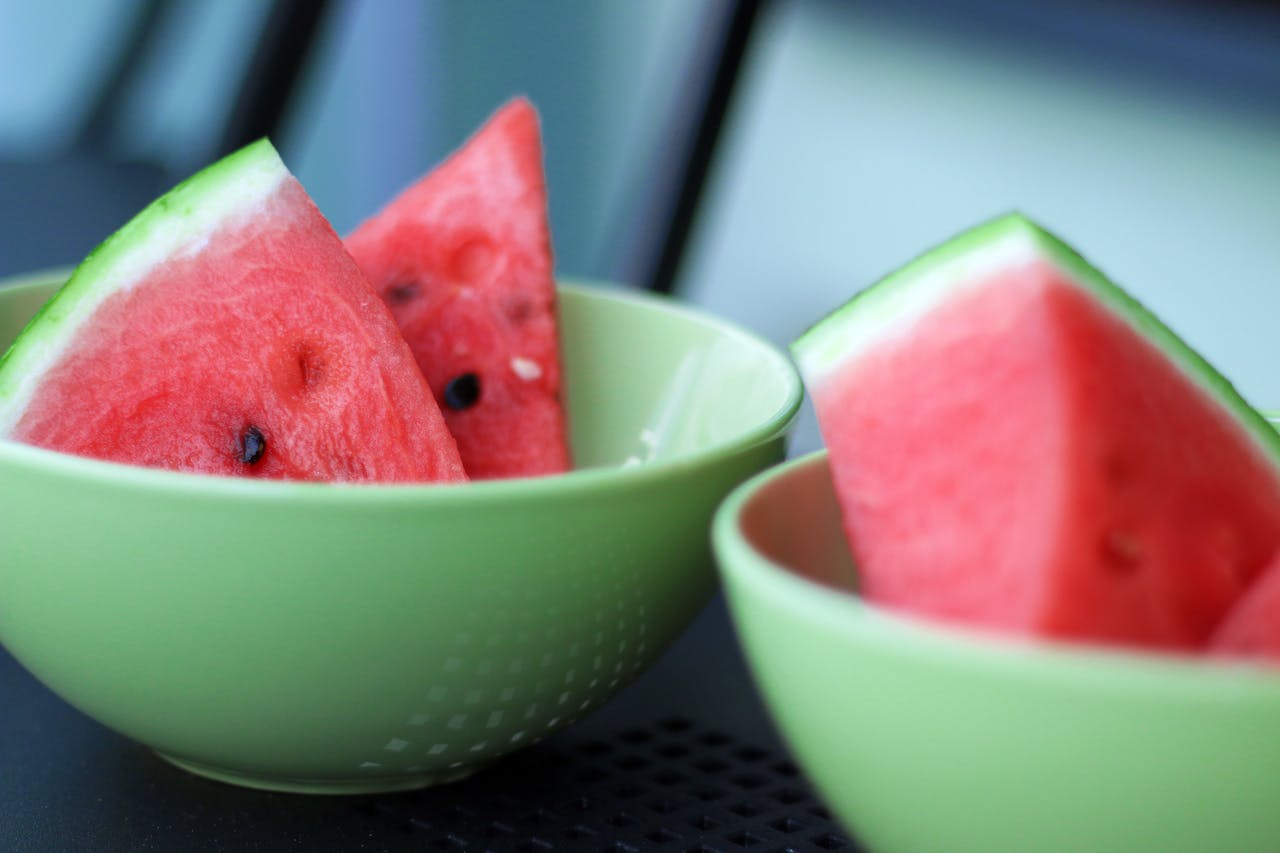 When it comes to hydrating foods, fruits are at the top of the list. Watermelon, cucumber, and oranges are not only packed with water but also loaded with vitamins that support your skin barrier. Watermelon, for example, is about 92% water and contains lycopene, an antioxidant that helps protect your skin from UV damage. Meanwhile, oranges and kiwis offer a boost of vitamin C, which aids in collagen production and helps your skin stay firm and smooth. Incorporating a variety of these fruits daily is like giving your skin a refreshing drink from within.
Healthy Fats That Lock in Moisture
Hydration isn’t just about water—it’s also about oils. Healthy fats play a key role in keeping your skin barrier strong and capable of holding onto moisture. Foods like avocados, walnuts, chia seeds, and salmon are full of omega-3 fatty acids, which help reduce inflammation and support the lipids that seal hydration into your skin. Without enough of these good fats, your skin may lose elasticity and appear rough or flaky. Think of omega-rich foods as your internal moisturiser, keeping your skin soft and supple.
Hydration Heroes in Vegetables
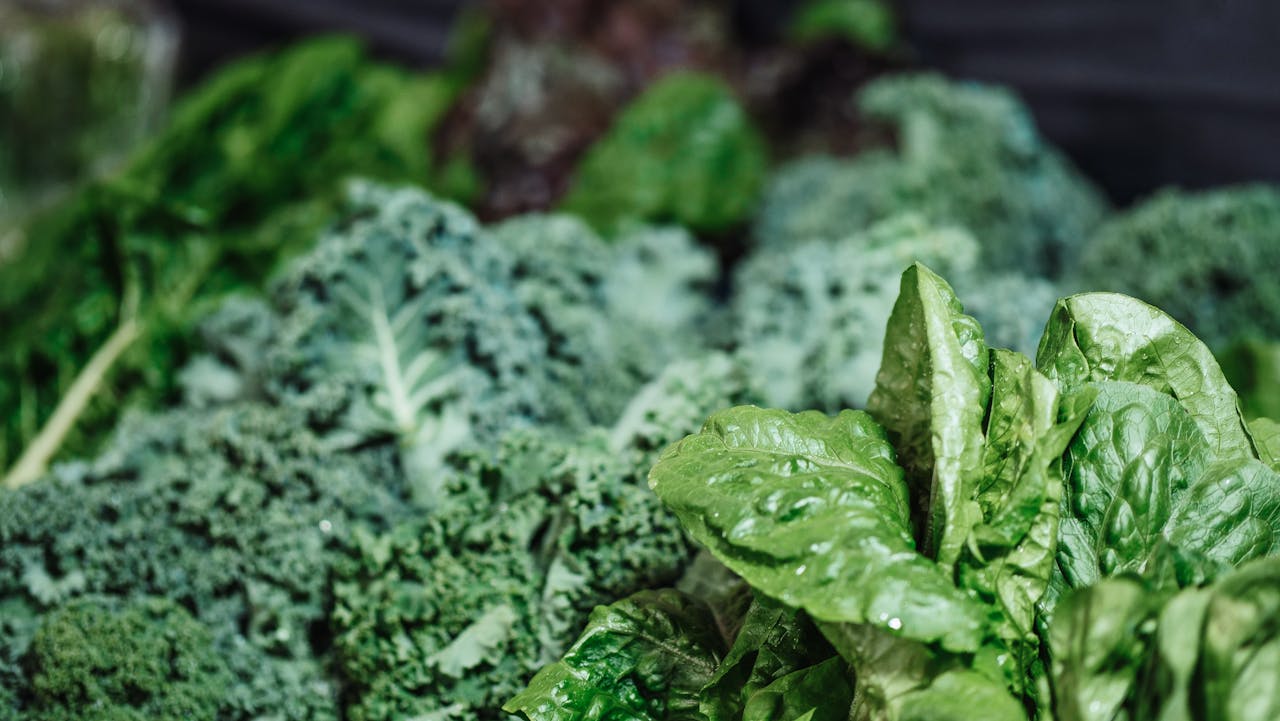
Vegetables are another major source of hydration and nutrients that support glowing skin. Leafy greens such as spinach and kale are rich in magnesium and chlorophyll, both of which help with cell renewal and oxygen flow. Meanwhile, celery and lettuce have a high water content and are full of minerals that balance your body’s hydration levels. By filling half your plate with vegetables at every meal, you’re essentially feeding your skin a cocktail of moisture and nourishment that helps it thrive.
Antioxidants That Keep Moisture In
Hydrated skin isn’t just about how much water you consume—it’s also about how well your body retains it. Antioxidant-rich foods like berries, green tea, and dark chocolate help protect your skin’s collagen and elastin, keeping it firm and resilient. These antioxidants fight off free radicals that can weaken the skin barrier and lead to dehydration. A handful of blueberries or a cup of matcha daily can make a real difference in maintaining your skin’s long-term moisture balance.
Drinking water is important, but it’s only part of the hydration story. What you eat plays a huge role in how your skin looks and feels. By incorporating water-rich fruits, healthy fats, hydrating vegetables, and antioxidant-packed foods into your diet, you can nourish your skin from within and help it stay plump, smooth, and glowing. Remember—hydrated skin isn’t just achieved in front of the mirror; it starts on your plate.…

 Germs are present everywhere, and for this reason, it’s important that you wash your cutting boards, utensils, and hands. Also, you should sanitize all your other cooking utensils. If you want to minimize the chances of food poisoning, you can decide to put on disposable gloves when handling raw food.