
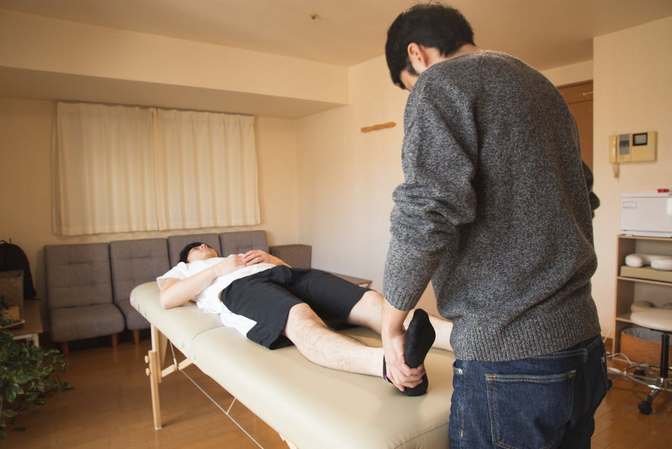
Chronic pain can be a challenging and debilitating condition that affects millions of people worldwide. While medication can provide temporary relief, physiotherapy offers long-term solutions by addressing the underlying causes of pain and improving overall wellness. In this article, we’ll explore how physiotherapy can help manage chronic pain, along with strategies for finding relief and achieving long-term wellness.
Understanding Chronic Pain
Chronic pain is characterized by persistent discomfort that lasts for weeks, months, or even years. It can result from various conditions such as arthritis, fibromyalgia, injuries, or neurological disorders. Unlike acute pain, which typically resolves with treatment, chronic pain requires a comprehensive approach to manage effectively.
The Role of Physiotherapy

Physiotherapy, also known as physical therapy, focuses on restoring movement, function, and quality of life through specialized exercises, manual techniques, and education. It addresses musculoskeletal imbalances, strengthens muscles, improves flexibility, and promotes healing to reduce pain and improve overall well-being.
Strategies for Relief and Long-Term Wellness
Here are some key strategies that physiotherapy employs to manage chronic pain and promote long-term wellness:
Assessment and Individualized Treatment Plans
The first step in physiotherapy is a thorough assessment to identify the root cause of pain and develop a personalized treatment plan. This plan may include a combination of exercises, manual therapy, modalities (such as heat or ice therapy), and education on pain management techniques.
Pain Relief Techniques
Physiotherapists use various techniques to provide immediate pain relief and improve mobility. These may include massage, joint mobilization, stretching, ultrasound therapy, and electrical stimulation. These techniques help reduce inflammation, alleviate muscle tension, and promote relaxation.
Exercise and Rehabilitation
Exercise is a cornerstone of physiotherapy for chronic pain management. Your physiotherapist will design a tailored exercise program to improve strength, flexibility, and endurance while addressing specific areas of pain. This may include stretching exercises, strengthening exercises, cardiovascular activities, and functional movements to improve daily activities.
Education and Self-Management
Physiotherapy emphasizes education and empowerment, teaching patients about their condition, pain triggers, and self-management strategies. Patients learn techniques for posture improvement, ergonomics, stress management, relaxation exercises, and pain-coping skills. This knowledge empowers individuals to take an active role in their recovery and maintain long-term wellness.
Lifestyle Modifications
In addition to exercises and therapies, physiotherapists may recommend lifestyle modifications to support pain management and overall health. This may include nutrition guidance, weight management strategies, ergonomic adjustments at home or work, and recommendations for adaptive equipment or assistive devices.
Benefits of Physiotherapy for Chronic Pain

Physiotherapy offers numerous benefits for managing chronic pain and improving quality of life, including:
- Reduced pain intensity and frequency
- Improved mobility, flexibility, and range of motion
- Enhanced strength, endurance, and functional abilities
- Decreased reliance on medication
- Better sleep quality and mood
- Increased independence and confidence in daily activities
Physiotherapy is a valuable and effective approach to managing chronic pain and promoting long-term wellness. By addressing the underlying causes of pain, improving physical function, and empowering individuals with self-management strategies, physiotherapy helps patients regain control of their lives and live more comfortably.…